










Where the myth comes from
The gluten-free market grew far beyond the coeliac community, and with it came a halo: if it's free-from, it must be better for you. The truth is more useful. For people with coeliac disease or non-coeliac gluten sensitivity, removing gluten is transformative. For everyone else, the benefit depends entirely on what replaces it.
What the evidence actually says
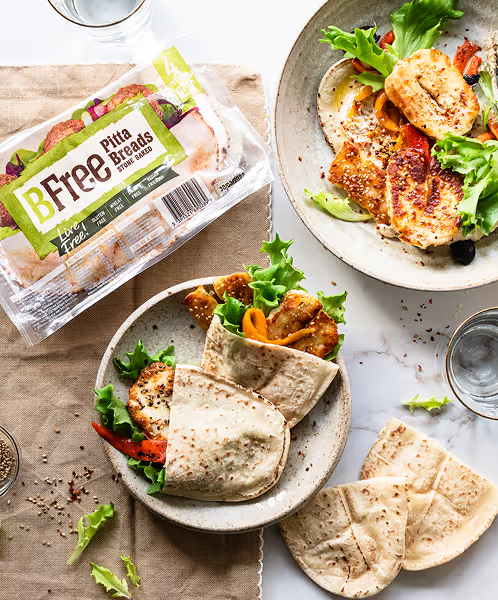
Early gluten-free products leaned on refined starches and were often lower in fibre and B vitamins than their wheat counterparts. That generation earned the category a poor reputation. Modern formulations — built on wholegrains, psyllium, pea protein and added fibre — close that gap, but you still have to read the label.
The three numbers worth checking
- Fibre: look for at least 6g per 100g in breads.
- Protein: 4g+ per 100g keeps a sandwich genuinely satiating.
- Sugar: under 5g per 100g for everyday loaves.
Healthy is a pattern, not a product
A gluten-free diet built on vegetables, legumes, lean protein, fruit and high-fibre gluten-free grains is unambiguously healthy. A gluten-free diet built on refined snacks is not — exactly as with any other way of eating. The label tells you what's absent; the nutrition panel tells you what's present.
The bottom line
If you're coeliac, gluten-free is non-negotiable medicine. If you're not, choose gluten-free products the way you'd choose any food: on fibre, protein and ingredient quality. The best of today's gluten-free baking passes that test comfortably.