












There's a persistent myth in the fitness world that you can't build serious muscle or perform at an elite level on a gluten-free diet. It's simply not true.
What is true is that navigating a high-performance diet while gluten-free takes a little more planning. This guide breaks down exactly how much protein you need, how to protect your gut, and how to time your nutrition around training.
Part 1: How Much Protein Do You Actually Need?
The international scientific consensus from the ISSN places protein targets for active individuals well above the standard RDA. Here's how the numbers break down by activity level:
[[nutrition-table]]
The good news? Meeting these targets on a certified gluten-free diet is entirely achievable with the right staples.
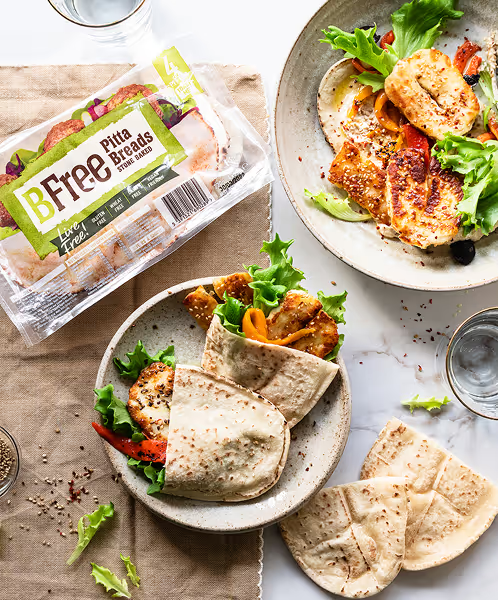
"One BFree High Protein Wrap provides 12g of protein and 6g of fibre — making it one of the easiest ways to hit your daily targets without the gluten."
— Niamh O'Brien RD, BFree Dietitian
Part 2: The Gut–Performance Connection
Here's something many GF athletes don't realise: chronic gut issues can quietly cap your performance by impairing nutrient absorption and driving inflammation.
A landmark 2024 study published in Gut Microbes showed that athletes with greater microbiome diversity recovered faster and reported less GI distress during training blocks. Four habits make the biggest difference:
[[tip-cards]]
Part 3: Timing Your Nutrition Around Training
The anabolic window is a concept that's been both overhyped and unfairly dismissed. The truth sits in the middle: what you eat around training matters, but the window is wider than once believed.
[[timeline]]
The Bottom Line: Elite Performance Is Absolutely Achievable
Living gluten-free doesn't impose a ceiling on your athletic potential. With deliberate protein targets, a gut-first approach, and smart nutrient timing, certified gluten-free athletes can train, recover, and compete at the highest level.

