












The fuelling rules don't change — the sources do
Sports nutrition on a gluten-free diet is the same physiology with a different shopping list. Carbohydrate remains the dominant fuel for anything above easy effort; protein still drives repair. The challenge is purely practical: many default athlete carbs — pasta, bread, cereal bars — need safe swaps, and many sports products hide gluten in malt and barley ingredients.
Before: carbs that sit well
Two to three hours out, eat a carb-forward meal that your gut already trusts: rice with chicken, certified gluten-free oats with banana, or toast from a gluten-free loaf with honey. Closer to the session, keep it simple and low-fibre — a plain bagel half or a ripe banana 45 minutes before works for most stomachs.
Check your sports products
Gels and chews are usually gluten-free; recovery shakes, protein bars and 'oat-based' fuel often aren't certified. Scan for barley malt extract — it hides in more sports nutrition than you'd expect.
{{checklist}}
After: the recovery window, realistically
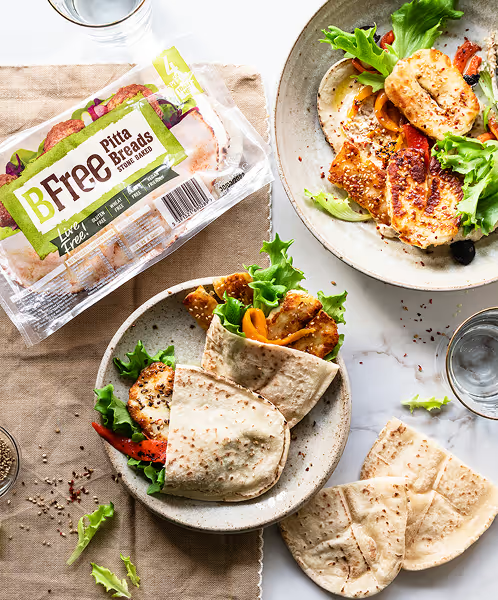
The post-exercise 'window' is wider than the old 30-minute panic — aim for 20–30g of protein and a solid carb dose within a couple of hours. A pitta stuffed with eggs or chicken, or a bagel with cottage cheese and a piece of fruit, covers both without a supplement in sight.
{{numbered-list}}
The coeliac athlete's extra edge
For recently diagnosed coeliacs, performance often improves on its own as the gut heals and iron and B12 absorption recover — many athletes report their 'mystery fatigue' resolving within months. Fuel consistently, recheck bloods annually, and let the healing do its work.
{{callout-qa}}