













What fermentation adds that nothing else can
A gluten-free flour blend is functionally clever but flavour-neutral. Hours of fermentation change that: lactic acid bacteria and wild yeasts generate organic acids, esters and aroma compounds — the difference between bread that tastes baked and bread that merely tastes assembled.
Our culture, literally
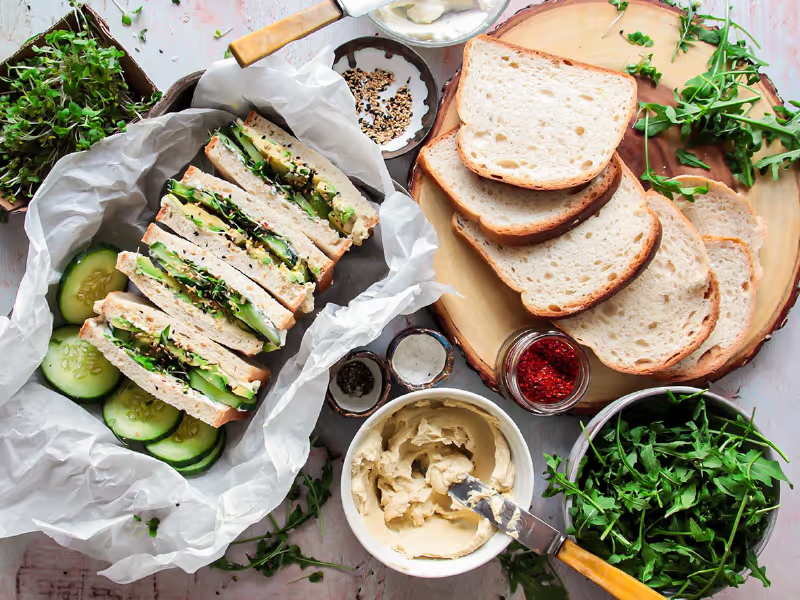
BFree's sourdough is fermented on corn and quinoa flour — naturally gluten-free hosts for the culture. Each batch develops the lactic tang you can taste in the finished loaf, most clearly in our white sandwich sourdough.
Four things the sourdough is doing
- Flavour: acids and fermentation by-products bring depth that no ingredient list shortcut can fake.
- Texture: acidity tenderises the crumb and improves elasticity — a softer fold, a better chew.
- Keeping quality: a lower pH naturally slows staling and spoilage, reducing reliance on added preservatives.
- Digestion: fermentation pre-breaks-down some starches and fructans — several of the compounds sensitive guts notice.
The honest trade-off
Fermentation is slow and biologically temperamental — cultures drift with temperature, season, even flour lot. Industrial shortcuts exist (add acid, skip the microbes), but they buy back time at the cost of everything else on the list above. We take the slow route.
Taste it side by side
Toast a slice of a fermented gluten-free sourdough next to any starch-only loaf. One smells like a bakery; the other smells like toast. That gap is the whole argument.

