







Heat is a reset button
Bread staling is partly reversible — starches that firm up over time relax again with heat and a little moisture. Professional kitchens exploit this constantly, and it works brilliantly on gluten-free pitta, which is engineered to re-soften.
Three revival methods, ranked
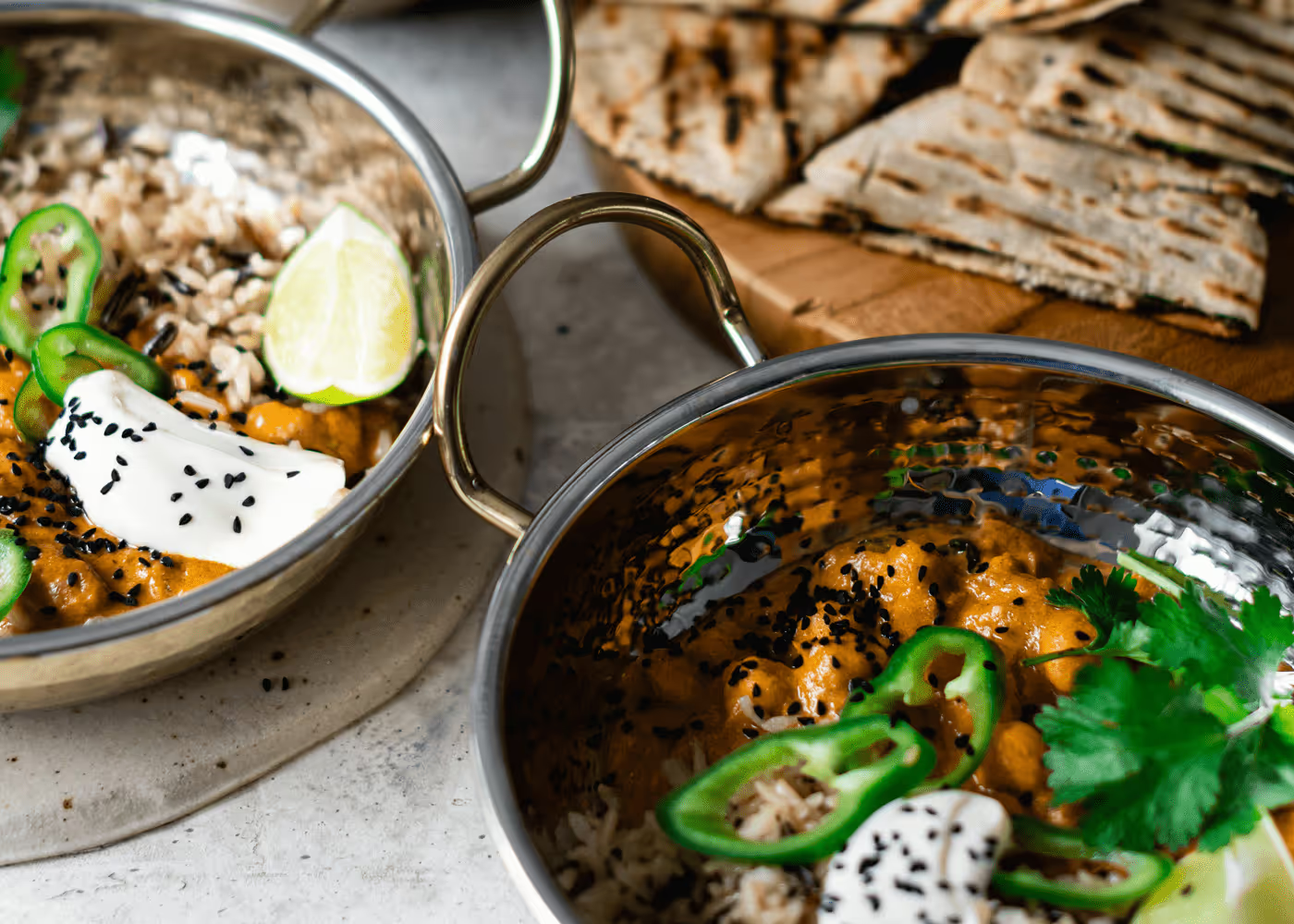
- The dry pan (best texture): 45 seconds per side in a hot, dry frying pan. Light char spots, soft middle, slight chew — closest to a stone oven.
- The damp towel microwave (fastest): wrap the pitta in a barely damp paper towel, 10–15 seconds. Pure softness, ideal for folding and stuffing.
- The toaster (crispest): one light cycle. Great for dipping, too crisp for folding.
Opening a pocket cleanly
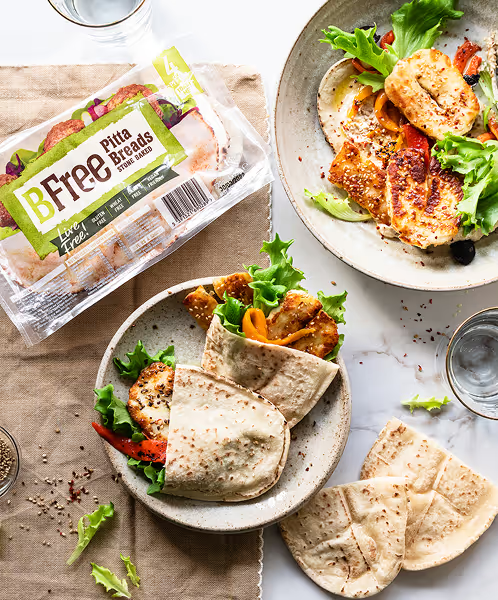
Warm the pitta first — a cold pitta tears, a warm one opens. Cut a third of the way around the edge, slide the knife flat into the cavity, and work gently outward. For overstuffed pockets, line the inside with a lettuce leaf; it waterproofs the bread against wet fillings.
The flavour multiplier
Brush the outside with olive oil and flash it in the pan, then rub with a cut garlic clove and a pinch of flaky salt. Thirty seconds of effort, restaurant-grade result.
Think beyond the pocket
Quarter and crisp pittas into dipping chips, layer them into a gluten-free fattoush, or use them as instant flatbread pizza bases. A pack of pittas is the most versatile gluten-free bread in the kitchen — treat it like a chef's ingredient, not a sandwich fallback.