











Start with the bread
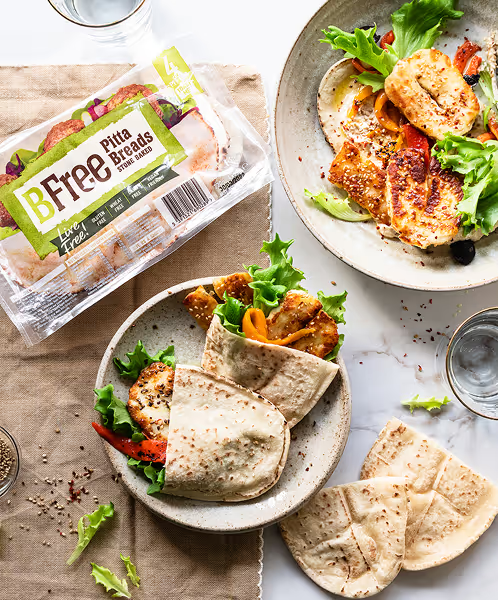
Every great sandwich is built on great bread, and that is doubly true when gluten is off the table. Look for a loaf with a soft crumb that still holds its shape under pressure — a sourdough-style gluten-free loaf gives you flexibility without crumbling. A light toast wakes up the texture and creates a moisture barrier for your fillings.
The layering order that keeps everything intact
Soggy bread is the most common sandwich failure, gluten-free or not. The fix is simple: dry ingredients shield the bread from wet ones.
- Spread a thin fat layer (butter, mayo or hummus) edge to edge on both slices — it waterproofs the crumb.
- Lettuce or spinach goes directly against the spread.
- Wet ingredients (tomato, pickles, dressed slaw) sit in the middle, never touching bread.
- Proteins and cheese anchor the stack and stop slippage.
Season every layer
Restaurant sandwiches taste better because every layer is seasoned. A pinch of salt on tomato, a crack of pepper on egg, a few drops of vinegar through slaw — small touches that compound into a noticeably better bite.
Don't skip the rest
Give an assembled sandwich two or three minutes before cutting. The layers settle, the spread bonds with the crumb, and the whole thing holds together cleanly.
Three combinations to try this week
Try roast chicken with lemon mayo and rocket; sharp cheddar with apple and chutney; or hummus with roasted peppers and toasted seeds. Each works beautifully on a toasted gluten-free sourdough slice or a halved plain bagel.


