









Why the pantry reset matters
The hardest weeks after diagnosis aren't about willpower — they're about logistics. Half your recipes silently depend on wheat: the soy sauce in the stir-fry, the stock cube in the soup, the flour that thickens the sauce. Replace twelve staples once and the recipes you already know come back online.
The twelve
- Gluten-free flour blend — for sauces, dusting and bakes.
- Cornflour — the universal thickener; naturally gluten-free.
- Certified gluten-free oats — breakfast, flapjacks, crumble toppings.
- Tamari or GF soy sauce — regular soy sauce is wheat-based.
- Gluten-free stock cubes — check every brand; many contain wheat.
- Gluten-free pasta — corn-rice blends hold texture best.
- Rice — in two forms: basmati for sides, arborio for risotto nights.
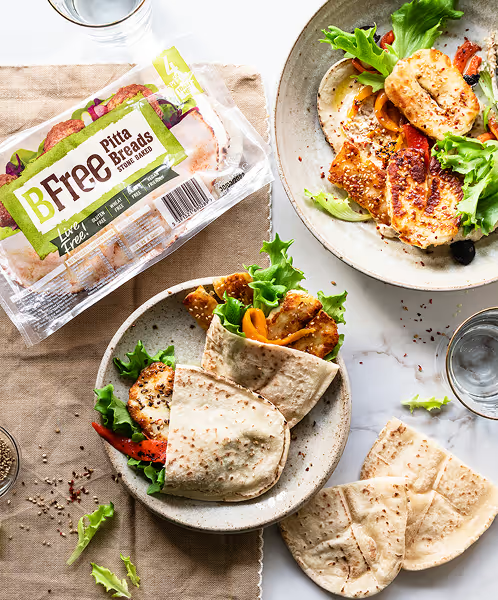
- Gluten-free bread in the freezer — sliced loaf plus pittas; toast from frozen.
- GF baking powder — most are safe, but verify once and note the brand.
- Chickpea flour — batters, flatbreads, and the best onion bhajis of your life.
- Psyllium husk — the secret to home gluten-free baking that holds together.
- A dedicated toaster (or toaster bags) — not food, but the most important crumb-control purchase in a shared kitchen.
{{table}}
Label habits to build
Once stocked, the work shifts to maintenance: scan bold allergens on anything new, re-check 'safe' brands occasionally (recipes change), and keep the freezer bread topped up — it's the safety net for every meal that goes sideways.
Start tonight
With these twelve in the cupboard, pick any pre-diagnosis favourite and remake it gluten-free this week. The first familiar meal that tastes right again is the moment the diet stops feeling like a loss.
{{nutrition-grid}}
{{timeline}}


